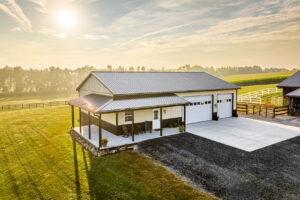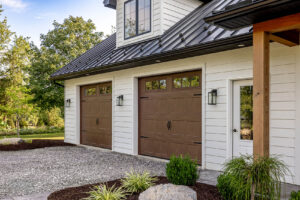

If fall slipped by before you started your barn, garage, or shop, you may wonder whether the project has to wait until spring.
Quick Answer
Yes, you can build a pole barn in the winter when site conditions, the building design, and the contractor’s work plan allow it. Frozen or saturated ground, concrete work, snow, wind, and delivery access can affect what is possible. Even when construction needs to wait, winter can be a useful time to finalize the design and arrange the building package.
Can It Be Built, and Should You Build It Now?
These are two different questions. Post-frame construction can take place in cold weather, but that does not mean every site is ready for a winter build.
A prepared site with dependable access may offer more options than a property that still needs grading, drainage work, and excavation. Your contractor should assess the actual conditions, foundation requirements, and forecast before recommending a start date.
The decision should also account for cost. Extra site work, weather protection, and interruptions may change the budget. Ask what winter work would involve for your project and compare that with waiting.
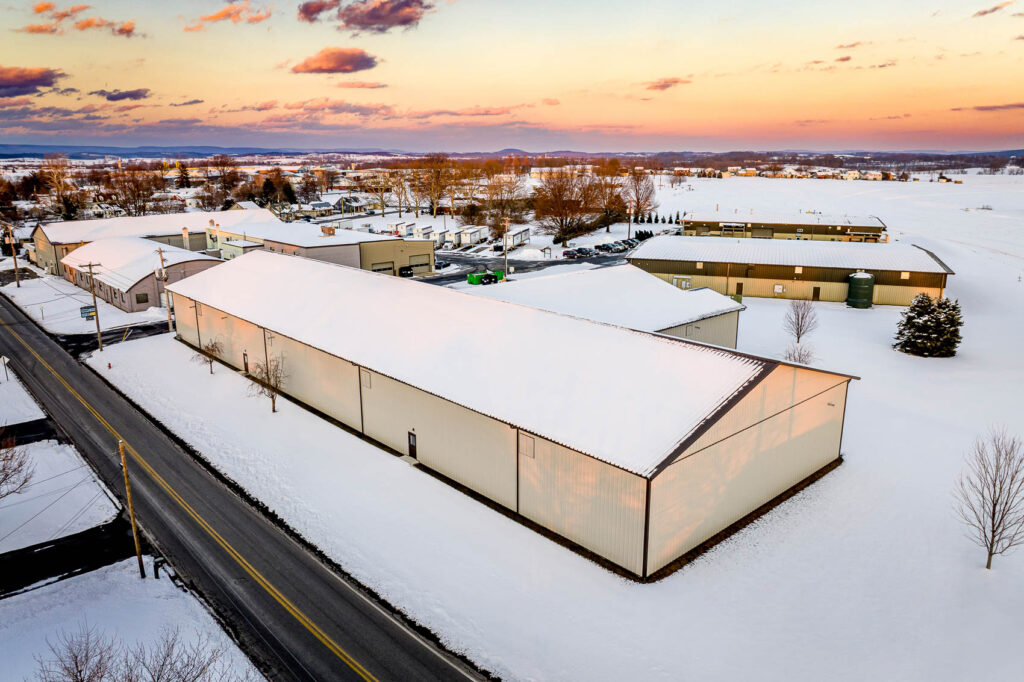
What Can Affect Winter Pole Barn Construction?
1. Ground conditions and foundations
Frozen ground can make digging post holes and preparing footings more difficult. Saturated soil and thawing ground can also create problems for equipment access and site preparation.
A hard, frozen surface is not proof that the ground provides suitable foundation support. Posts and footings must follow the project’s design, soil requirements, and applicable local frost requirements. Being able to dig a hole does not automatically mean it is ready for a post or footing.
For a Pennsylvania project, have your builder confirm the requirements for your location. Do not base foundation decisions on one mild afternoon or a statewide rule of thumb.
2. Concrete work
Concrete can be placed in winter, but it requires a planned approach. Cold temperatures slow setting and strength development, and fresh concrete must be protected from freezing. Concrete should not be placed on frozen ground.
Have the concrete contractor coordinate preparation, placement, curing, and protection with the supplier. A favorable daytime temperature alone does not settle the question, especially if temperatures drop overnight.
Also distinguish the floor slab from structural foundation work. Some designs allow the floor to be poured later, but required footings, piers, or other structural concrete cannot simply be skipped. Ask your builder which work can be separated safely under the approved design.
3. Snow, wind, and exposure
Snow does not automatically stop construction, but accumulation and ice can limit access and create slippery working conditions. Wind can interrupt lifting trusses or handling roofing and siding panels.
Crews also need a plan for protecting stored materials and securing unfinished work between weather windows. Whether work continues depends on the task and conditions, not just the amount of snow on the ground.
4. Delivery access
A driveway that handles a pickup may not accommodate a loaded delivery truck. Snow, ice, mud, slopes, tight turns, and soft unloading areas can all affect delivery.
Discuss the route, turning space, unloading location, and material storage with Cumberland and your contractor before scheduling. Ordering a package and having a site ready to receive it are separate steps.
5. Daylight and scheduling
Shorter days reduce available daylight for outdoor work. Cold, wind, and icy surfaces also affect worker safety and how much a crew can accomplish.
Coordinate material availability, inspections, concrete work, and contractor availability, with room for weather delays. An estimated material delivery date is not a guaranteed construction start or completion date.
What Should You Review Before a Winter Build?
| Project factor | What to confirm |
|---|---|
| Ground and footings | Suitable soil, excavation conditions, and local frost requirements |
| Concrete | Contractor’s cold-weather plan and required foundation work |
| Snow and wind | Safe access, lifting conditions, and protection for unfinished work |
| Deliveries | Clear route, turning room, and a suitable unloading area |
| Schedule | Crew availability, inspections, daylight, and weather flexibility |
What Can You Plan During Winter?
You do not need to start digging to make progress. Winter gives you time to work through decisions that are harder to change once materials are ordered.
- Size and layout: Choose the length, width, and height around your vehicles, equipment, storage, and work areas.
- Openings: Set door and window sizes and locations, including clearance for equipment and overhead-door tracks.
- Structure: Review trusses, roof shape, posts, and foundation needs with the people responsible for the building design.
- Exterior materials: Select roofing, siding, trim, and colors.
- Interior use: Plan the concrete floor, insulation, ventilation, utilities, and any future heating or finishing.
- Site and budget: Review drainage, access, local approvals, and the full project cost alongside the material package.
Cumberland’s Design Your Building tool is a useful starting point for exploring dimensions, colors, and options. Then review the proposed package with Cumberland and confirm construction requirements with your builder.
Plan before you build. Getting the major decisions settled early gives your contractor a clearer project to schedule when conditions are suitable.
Should You Order Now or Wait Until Spring?
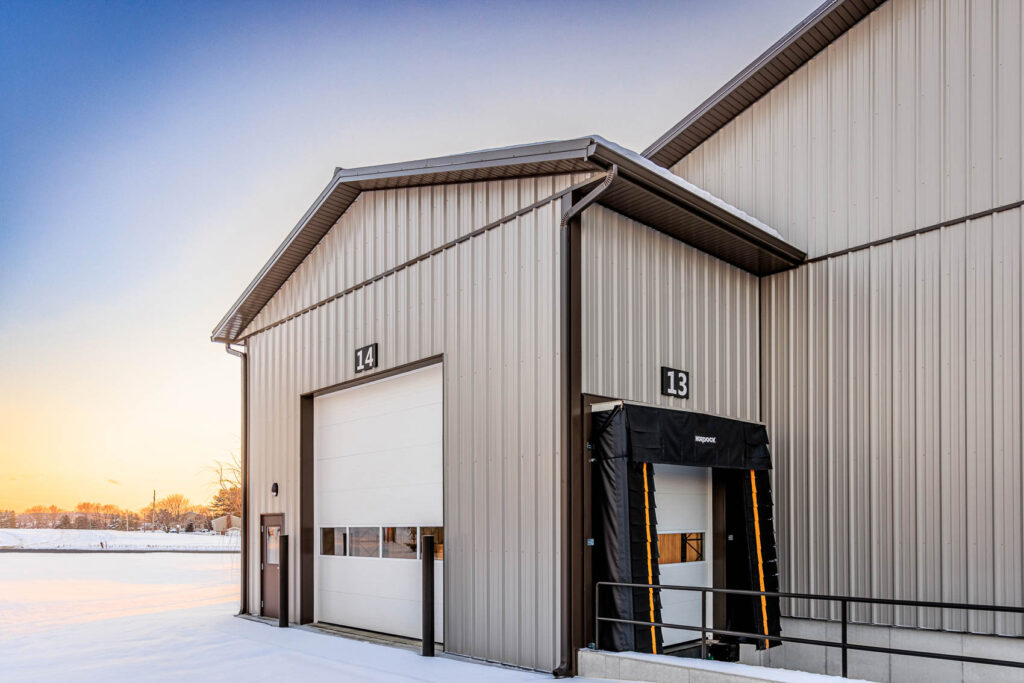
Winter can be a good time to arrange a pole barn package once the design and site requirements are settled. Ask us for current package lead times and availability for the specific trusses, doors, panels, and other components you choose.
Coordinate the delivery date with your contractor and storage arrangements. Ordering during winter does not require immediate construction, and it does not guarantee a spring start date.
If the site is not ready or winter work would add too much cost, use the time to finish the planning. Waiting for suitable conditions can be the more practical choice, although spring rain and thawing ground can affect access too.
FAQs
Can pole barns be built in cold weather?
Yes, when the site, foundation plan, and working conditions allow it. Your contractor should determine which stages can proceed safely.
Can posts be installed when the ground is frozen?
Sometimes excavation is possible, but frozen ground does not establish that a foundation is suitable. Installation must meet the building design and local requirements.
Can concrete be poured in winter?
Yes, with appropriate preparation and protection managed by the concrete contractor. Cold-weather placement requires more planning than choosing a day above freezing.
Does snow stop pole barn construction?
Not always. Snow, ice, wind, visibility, and access can delay particular tasks or stop work until conditions improve.
Is winter a good time to order a pole barn package?
It can be, once the design is settled. Confirm current lead times, contractor availability, delivery access, and storage before ordering.
Should I wait until spring to build?
That depends on the site, budget, and contractor’s assessment. Waiting may make sense when groundwork or weather protection would be difficult or expensive.
Can I design my building during winter?
Yes. Dimensions, openings, materials, colors, and interior plans can be worked out before construction begins.
Does winter affect material delivery?
It can. Road conditions and site access may require a different delivery date or unloading arrangement.
Plan Your Building With Cumberland Supply
Winter does not have to stop the planning process. If a post-frame building is on your list, talk with Cumberland Supply about the package, dimensions, openings, materials, and options before construction begins.