
Are you a homeowner or contractor asking yourself:
Which panel from Cumberland is right for my project?
Quick Answer:
Choose ABM Panel when you want a durable, versatile metal panel. It offers broad application, efficient installation, and several substrate and finish options.
Choose ABSeam Panel when the project calls for a metal roof with fewer exposed fastener points, and a clean architectural appearance. It usually requires a larger upfront investment, but it can offer long-term advantages.
If you are comparing ABM Panel vs. ABSeam Panel, the decision is not between a good panel and a bad one. The right choice depends on your building, budget, appearance goals, environment, and maintenance expectations.
Both are strong metal roofing options available from Cumberland Supply. They are simply built for different priorities.
ABM Panel is AB Martin’s signature metal panel and the most popular metal panel we carry. It is a practical, heavy-duty exposed-fastener option used for residential, commercial, and agricultural roofing and siding.
ABSeam Panel is the standing seam option. It uses hidden clips for a clean appearance with fewer exposed fastening points across the main roof surface.
The right choice depends on the building, budget, roof design, appearance, installation needs, maintenance expectations, and how long you plan to own or use the building.
What’s ABM Panel?
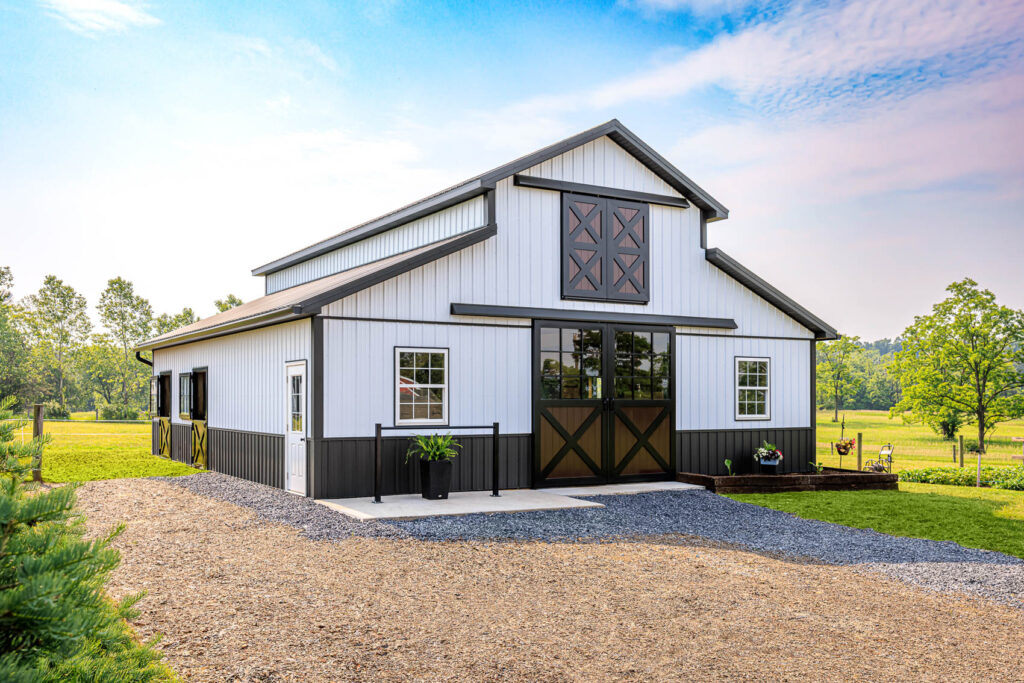
ABM Panel is AB Martin’s heavy-duty exposed-fastener panel, made for a wide range of roofing and siding applications.
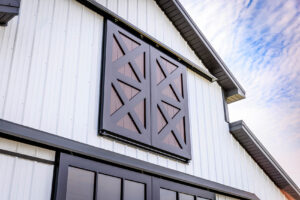
It is not limited to agricultural buildings. ABM Panel is commonly used as a metal roof for homes, commercial buildings, barns, garages, shops, and post-frame projects. It can also be installed as siding, which gives builders more flexibility across the full exterior.
The panel provides 36 inches of coverage and is rolled to custom lengths. That wide coverage and made-to-length production can help simplify ordering, reduce unnecessary waste, and keep installation moving.
ABM Panel is also heat-formed. The steel is heated during forming to help reduce microscopic cracking in the protective paint coating.
Depending on the option selected, ABM Panel is available in:
- 28-gauge AZ50 Galvalume
- 28-gauge Premium G-100 Galvanized
- 26-gauge textured AZ50 Galvalume
- A range of smooth and textured colors
- 40-year limited paint warranty options
A paint warranty should not be confused with a guarantee for the entire roof system. The final metal roofing lifespan still depends on the substrate, fasteners, trim, flashing, roof design, environment, installation quality, and maintenance.
What’s ABSeam Panel?
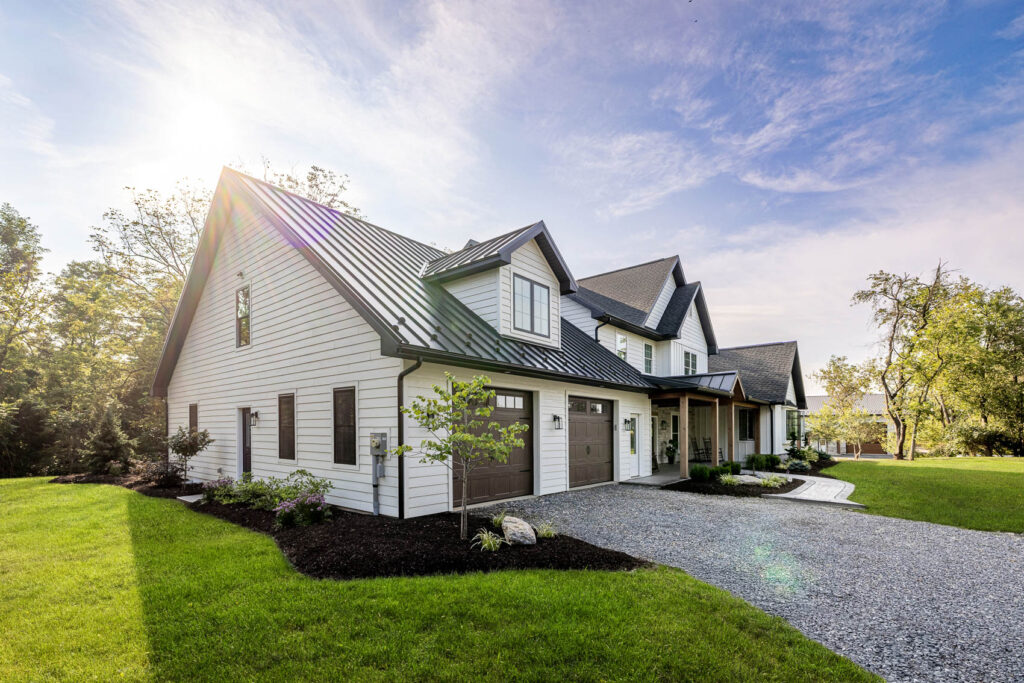
ABSeam Panel is AB Martin’s standing seam metal roof system, designed for residential, light agricultural, and commercial projects.
The biggest difference is the fastening system. ABSeam uses concealed clips, so the main fasteners are hidden beneath the panels instead of being driven through the face of the roof.
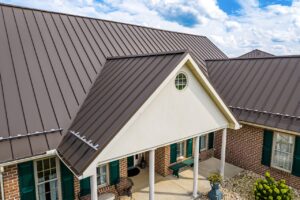
This creates the clean vertical lines many homeowners and property owners want from a hidden fastener metal roof. It also reduces the number of screws and sealing washers directly exposed to sun, rain, snow, and temperature changes across the main roof surface.
ABSeam is available as a 24-gauge smooth panel or a 26-gauge textured panel. Both options use an AZ50 Galvalume substrate and include 40-year limited paint warranty options.
The textured finish redirects sunlight for less glare and gives installers more grip than a smooth finish. The panels are also cut to length for the project.
ABSeam is the premium option in this comparison, but premium does not mean maintenance-free. A standing seam roof still depends on correct clip placement, panel engagement, trim, flashing, valleys, penetrations, ventilation, and sealants.
Main Features At A Glance
| Feature | ABM Panel | ABSeam Panel |
|---|---|---|
| Panel Type | Exposed-fastener metal panel | Standing seam metal panel |
| Fastening | Screws and sealing washers fasten through the panel | Concealed clips hold the main panels in place |
| Appearance | Traditional ribbed profile with visible fasteners | Clean vertical seams with hidden fasteners |
| Common Uses | Homes, barns, garages, shops, commercial and post-frame buildings | Homes, light agricultural buildings, and commercial roofs |
| Applications | Roofing and siding | Primarily roofing, plus mansards and fascias |
| Coverage | 36 inches | 19½-inch smooth or 16½-inch textured |
| Steel Options | 28-gauge G-100 Galvanized or AZ50 Galvalume; 26-gauge textured AZ50 Galvalume | 24-gauge smooth or 26-gauge textured AZ50 Galvalume |
| Installation | Straightforward face-fastened system | More detailed clip-based system |
| Maintenance | Exposed screws and sealing washers should be inspected over time | Fewer exposed fasteners, but flashing, sealants, penetrations, and roof edges still need attention |
| Upfront Cost | Usually lower | Usually higher |
The Main Differences
Exposed Fasteners vs. Hidden Clips
ABM Panel is fastened through the face of the panel with screws and sealing washers. When the right fasteners are installed correctly, this system provides dependable performance across many building types.
ABSeam uses concealed clips. Hiding the main fasteners reduces weather exposure and gives the roof its clean standing seam appearance.
Appearance
ABM Panel has a traditional ribbed profile with a visible fastener pattern. It works well on residential, agricultural, commercial, and post-frame buildings.
ABSeam has taller vertical seams and an uninterrupted surface between them. It is often selected when the roof is a prominent part of the building’s design.
View completed projects in the photo gallery or compare finishes with the color visualizer.
Cost and Installation
ABM Panel is usually the more economical system. Its wide coverage and direct fastening method can reduce material and installation time.
ABSeam generally costs more because of the panel system, concealed clips, roof preparation, trim details, and additional labor. That added investment may make sense when curb appeal and fewer exposed fasteners are priorities.
The total metal roofing cost also depends on roof size, complexity, gauge, finish, decking, underlayment, trim, ventilation, and accessories. Compare the complete roof system rather than panel prices alone.
Maintenance
ABM Panel should be inspected for loose or damaged screws and sealing washers. ABSeam has fewer exposed fastener points, but its flashing, valleys, penetrations, sealants, gutters, and roof edges still need attention.
Neither system should be treated as a roof that never needs inspection.
Substrate and Building Environment
For animal confinement or other high-ammonia environments, Premium G-100 Galvanized ABM Panel is the stronger recommendation. Standard AZ50 Galvalume ABM Panel is not recommended for animal confinement.
ABSeam uses AZ50 Galvalume. It is a good fit for many homes, garages, shops, commercial buildings, and light agricultural projects, but it should not be the default choice for high-ammonia animal confinement.
Read our galvanized vs. Galvalume metal roofing guide for a closer comparison.
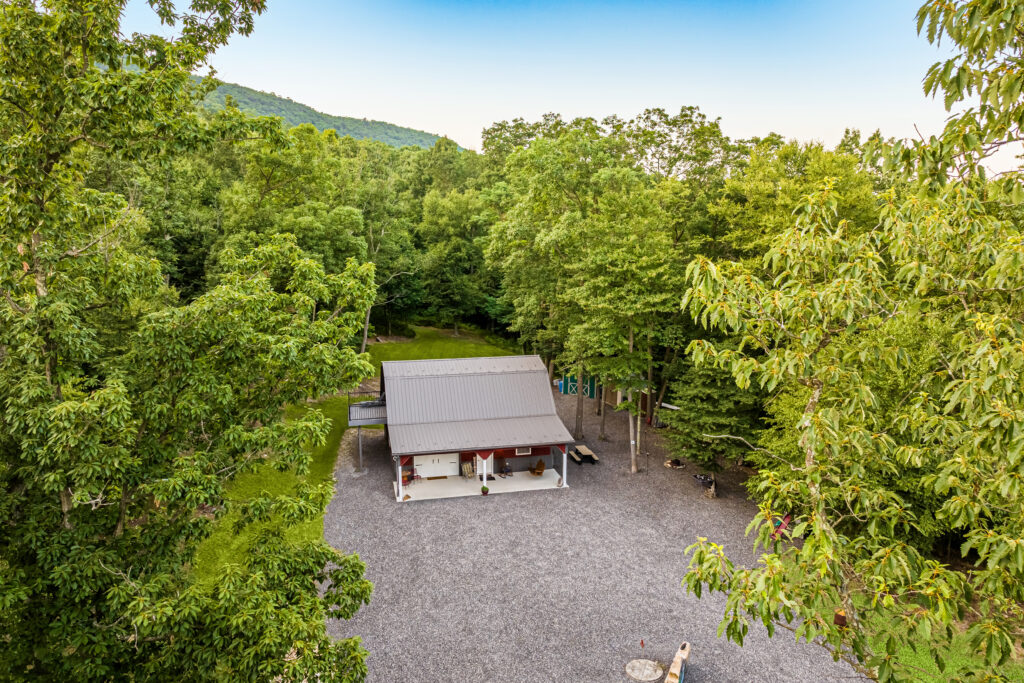
Which Panel Fits Your Building?
Homes
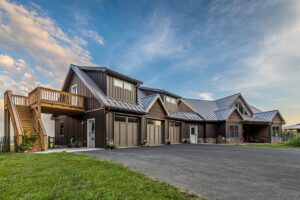
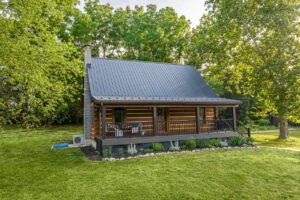
Both panels can work well on a home. ABM Panel provides a durable residential roof with a traditional profile and a more efficient installed cost. ABSeam is a strong option when concealed fasteners and standing seam curb appeal are priorities.
Barns and Post-Frame Buildings
ABM Panel is a proven choice for barns and post-frame buildings. Its wide coverage, custom lengths, roofing and siding capability, and available G-100 Galvanized substrate make it especially versatile for agricultural work.
ABSeam can fit light agricultural buildings where the standing seam appearance is wanted and high-ammonia exposure is not a concern.
Garages and Shops
ABM Panel is the practical choice for many garages and shops because it is durable, versatile, and can cover both the roof and walls.
ABSeam may be worth the upgrade when the building needs to coordinate with a home, has a customer-facing exterior, or calls for a higher-end roof appearance.
Commercial Buildings
ABM Panel works well when efficient coverage and roofing or siding flexibility are important. ABSeam is a strong fit when the project calls for an architectural standing seam roof.
Compare these and other metal roofing panels before making the final selection.
Choose ABM Panel If…
- You need roofing, siding, or both.
- You are building a home, barn, garage, shop, commercial building, or post-frame structure.
- You want 36-inch coverage and custom panel lengths.
- You want a strong roof system with a more economical installed cost.
- You need Premium G-100 Galvanized steel for animal confinement.
- You are prepared to inspect exposed screws and washers over time.
Choose ABSeam Panel If…
- You want a standing seam metal roof with clean vertical lines.
- Hidden clips and fewer exposed fastener points are priorities.
- Curb appeal is an important part of the project.
- You value the long-term advantages of a concealed fastening system.
- The building is not exposed to high levels of ammonia.
- The budget allows for more detailed installation and roof preparation.
Installation Quality Still Matters
Choosing the right panel is only the first step.
For ABM Panel, fastener placement and depth matter. Overdriven screws can damage the washer, while underdriven screws may not seal. Read Should Metal Roofing Screws Go on the Rib or the Flat? for the recommended fastening approach.
For ABSeam, clip spacing, panel alignment, roof preparation, and trim details all affect performance.
With either system, use the correct metal roofing accessories and pay close attention to flashing, valleys, ridges, penetrations, sealants, ventilation, and water flow.
Panel specifications, warranties, color charts, and installation guides are available in the catalog and on the downloads page.
The Bottom Line
ABM Panel is the versatile workhorse. It is a practical, heavy-duty option for residential, commercial, agricultural, and post-frame roofing and siding.
ABSeam is the standing seam upgrade. It is a strong choice when concealed clips, fewer exposed fasteners, and a higher-end architectural finish are worth the added investment.
Standing seam is not always better, and exposed-fastener roofing is not only for barns. Choose based on the building, environment, roof design, budget, appearance, and maintenance expectations.
Still comparing ABM Panel vs. ABSeam Panel? Call Cumberland Supply or stop by the store in Newville before ordering. We can help you compare panels, substrates, finishes, trim, fasteners, and accessories for your project.
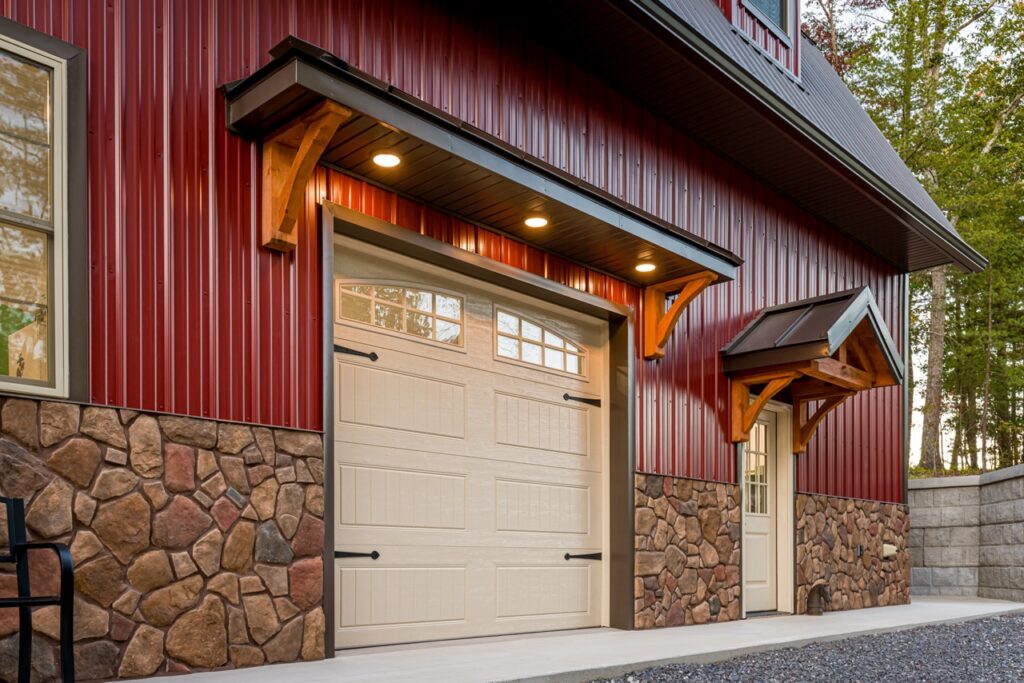
FAQs:
What is the difference between ABM Panel and ABSeam Panel?
ABM Panel is an exposed-fastener panel used for roofing and siding. ABSeam is a standing seam roofing panel that uses concealed clips.
Is ABSeam better than ABM Panel?
Not for every project. ABSeam offers hidden fasteners and a more architectural appearance. ABM offers broader application and a more economical installed system.
Is ABM Panel good for homes?
Yes. ABM Panel is a durable residential roofing and siding option with custom lengths and several substrate and finish choices.
Is ABSeam worth the extra cost?
It can be when concealed fasteners, curb appeal, and long-term ownership are priorities. ABM may offer better value when those features are not necessary.
Which panel is better for barns?
ABM Panel is often the more practical barn panel because it can be used for roofing and siding and is available in Premium G-100 Galvanized steel.
Which panel is better for animal confinement?
Premium G-100 Galvanized ABM Panel is the stronger recommendation. AZ50 Galvalume is not recommended for high-ammonia animal-confinement environments.
Does standing seam last longer than exposed-fastener roofing?
Standing seam often has a long-term advantage because the main fasteners are hidden. A properly installed and maintained exposed-fastener roof can still perform for decades.
Can ABM Panel be used for siding?
Yes. ABM Panel can be used for both roofing and siding.
Which panel should I choose for a garage or shop?
ABM Panel fits most practical garage and shop applications. Choose ABSeam when standing seam appearance and concealed fasteners justify the additional cost.