
If you’re a homeowner with a metal roof, you may be asking:
How do I Maintain My Exposed-Fastener Metal Roof?
Quick Answer
Exposed-fastener maintenance in a nutshell should include visual checks of the screws, washers, panel overlaps, trim, flashing, sealants, pipe boots, gutters, valleys, scratches, and exposed edges.
Do not tighten every screw automatically. A loose screw may be caused by a damaged washer, stripped hole, weak wood, panel movement, or incorrect installation. Replacement fasteners must match the panel, substrate, and condition of the existing hole.
Begin inspections from the ground or another safe location. If the roof must be accessed, hire a qualified roofer with the proper equipment and fall protection.
An exposed-fastener metal roof can provide decades of service when it is installed correctly and checked over time. The panels themselves are durable, but screws, sealing washers, trim, flashing, sealants, and penetrations remain exposed to weather.
If you are wondering how to maintain an exposed fastener metal roof, the main goal is simple: find small problems before they become leaks, corrosion, or damaged panels.
Roof Safety Comes First
Do not walk onto a metal roof casually. Metal panels can be slippery, especially when wet, dusty, icy, or covered with pollen. Skylights, steep slopes, roof edges, and weakened areas create additional hazards.
Many problems can first be spotted from the ground with binoculars, from inside the attic or building, or with help from a qualified contractor. Do not climb onto the roof simply to complete a checklist. If safe roof access, fall protection, and proper walking areas have not been established, call a professional.
How ABM Panel Maintenance Works
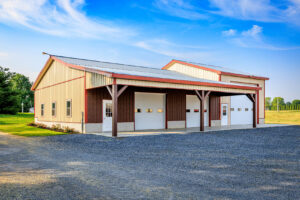
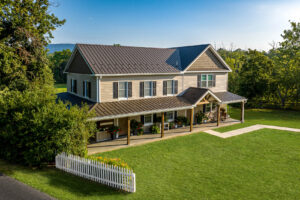
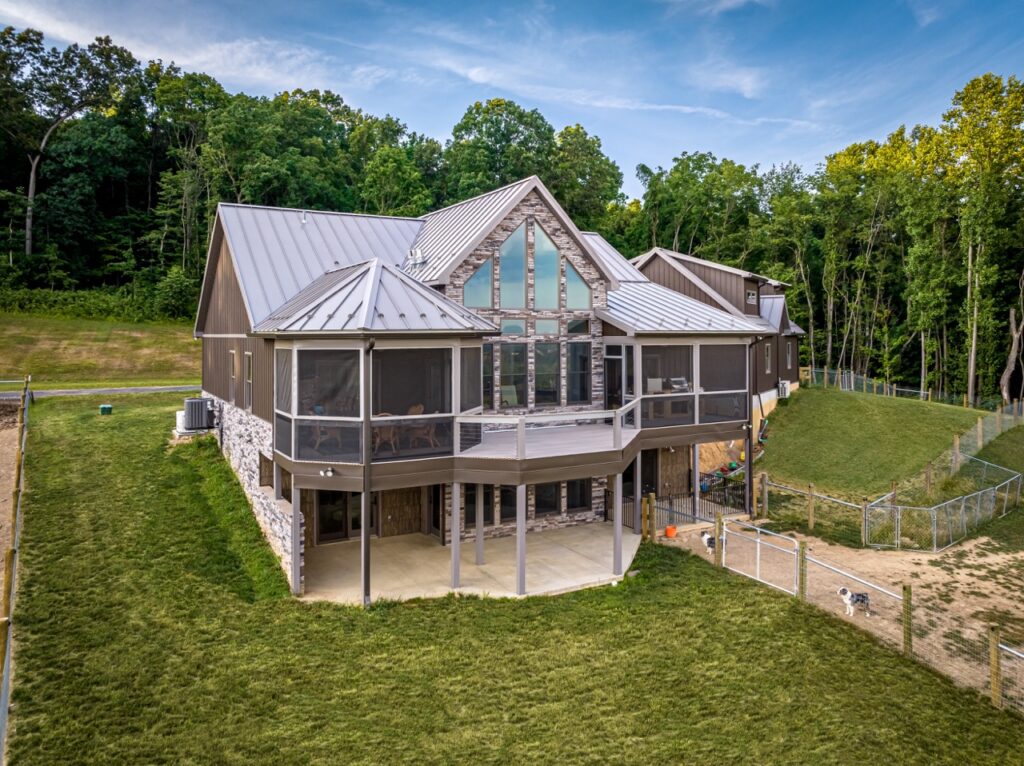
ABM Panel is a strong exposed-fastener roofing and siding system used on homes, barns, shops, garages, commercial buildings, and post-frame projects.
Its screws and sealing washers are installed through the face of the panel. This makes them accessible for inspection, but it also means they remain exposed to weather.
ABM Panel maintenance is not about constantly adjusting screws. It is about watching the full roof system and addressing damage correctly. For more on how the system compares with concealed fasteners, read ABM Panel vs. ABSeam Panel.
An interior stain does not always mean rain is entering through the roof. Moisture may also come from condensation. Read How to Prevent Condensation Under Metal Roofing for help telling these problems apart.
Check the Screws and Sealing Washers
Metal roofing screw inspection is one of the most important parts of exposed fastener roof maintenance. The washer beneath each screw head helps seal the opening in the panel.
For ABM Panel, screws are normally installed in the flat beside the major rib, following the approved pattern. Read Should Metal Roofing Screws Go on the Rib or the Flat? for more detail.
Overdriving a screw can damage the washer and deform the panel. Underdriving can leave a path for water. A crooked screw may create an uneven seal.
Do Not Tighten Every Screw Automatically
Running a driver across the roof and tightening every screw can create new problems. Screws that are already installed correctly can be overdriven, crushing the washers or dimpling the panels.
A loose screw also deserves more than a quick turn. It may point to:
- A stripped or enlarged hole
- Soft, cracked, or damaged wood below the panel
- An incorrect fastener
- Poor original screw placement
- Normal thermal movement that has affected the hole
- Panel or trim movement
- A damaged sealing washer
The cause should be identified before the fastener is adjusted or replaced.
When Metal Roof Screws Need Replacement
Metal roof screw replacement is not always as simple as installing another screw of the same size. If the existing hole is stripped or enlarged, the repair may require a larger-diameter fastener, a different length, or a fastener made for that specific repair.
The correct choice depends on:
- Panel material and gauge
- Wood, metal framing, plywood, or OSB below the panel
- Condition and size of the existing hole
- Required penetration and holding strength
- Fastener coating and corrosion resistance
- Washer type
- Manufacturer requirements
Panel gauge alone does not determine the right replacement screw. See What Gauge Metal Roofing Should You Use? for more information about metal thickness.
Before replacing screws, ask Cumberland Supply or a qualified installer for a technical recommendation. Browse metal roofing accessories, screws, and fasteners for available options.
Inspect Trim, Flashing, and Penetrations
Pay close attention to ridge caps, rake trim, eave trim, valleys, transitions, and areas where the roof meets a wall. Look for lifted edges, gaps, missing fasteners, bent metal, or sections pulling away from the panels.
Pipes, skylights, vents, curbs, and roof boots also deserve attention. Rubber boots can crack or separate over time. Snow and ice movement may damage a pipe or the flashing around it.
Leaks near penetrations should be evaluated by someone who understands metal roof movement and flashing. Applying sealant over the surface does not correct poor flashing underneath.
Check Sealants and Closures
Metal roof sealant maintenance includes checking for cracks, separation, shrinkage, and areas where the sealant has pulled away from the metal.
Sealant should not be used to hide:
- Incorrect flashing
- Loose trim
- Damaged panel overlaps
- Stripped fasteners
- Large holes
- Poor installation
Use only a sealant approved for the roof system and follow its application instructions. Coating the entire roof is not a default repair for isolated leaks.
Closures and ridge ventilation products should also remain properly seated. Check for displaced closures, damaged vent material, loose ridge components, or gaps that may allow wind-driven rain and debris to enter.
Keep Water and Debris Moving Off the Roof
Leaves, branches, dirt, and other debris can trap moisture against the panels. They can also block valleys, gutters, and downspouts.
Check that:
- Valleys remain open
- Gutters are not clogged
- Downspouts drain properly
- Water is not ponding behind roof equipment or penetrations
- Snow retention components remain secure
- Ridge and ventilation openings are not blocked
Tree-covered buildings may need more attention than open buildings. Agricultural debris, coastal salt, and industrial pollutants can also increase cleaning and inspection needs.
Clean the Roof Without Damaging It
Metal roof cleaning should begin with the least aggressive method recommended for the panel finish. Water and a mild detergent are often enough for normal dirt.
Avoid abrasive pads, wire brushes, harsh chemicals, or cleaning methods that may scratch the coating. High-pressure washing can damage finishes or force water into laps and openings if used incorrectly.
Do not walk onto the roof simply to clean it. A qualified contractor can determine the safest method for the roof shape, slope, coating, and surrounding property.
Watch Scratches, Cut Edges, and Corrosion
Scratches that expose bare metal should not be ignored. Rust streaks around fasteners, trim, or cut edges may be an early sign of coating damage or an incompatible component.
Small scratches may be addressed with compatible, color-matched touch-up paint when the product instructions allow it. Touch-up paint should be used only where needed. Large areas of peeling paint, widespread corrosion, or deep panel damage should be evaluated professionally.
Barns and animal-confinement buildings may require closer attention because moisture and ammonia can increase corrosion risk. Coastal and industrial environments may also require more frequent checks.
Look for Panel Movement
Metal expands and contracts as temperatures change. Some movement is expected, but visible changes may point to a problem.
Watch for:
- Newly raised or buckled areas
- Shifted panel overlaps
- Elongated fastener holes
- Groups of backed-out screws
- Trim pulling away from the roof
- Panels moving around penetrations
- New gaps at transitions
Do not stop the movement by adding random screws. A contractor should identify why the panel is moving and whether the original installation allows for normal expansion and contraction.
Seasonal and Post-Storm Inspections
There is no universal inspection schedule for every metal roof. Inspection needs depend on the climate, roof slope, surrounding trees, building use, agricultural or coastal exposure, and the roof’s age and condition.
Seasonal checks may include:
- After winter: Look for damage from snow, ice, and freeze-thaw conditions.
- During leaf season: Check valleys, gutters, and downspouts for debris.
- After severe weather: Look for wind, hail, branch, trim, and accessory damage.
- After another trade works on the roof: Check for scratches, punctures, dropped fasteners, metal shavings, or altered penetrations.
Buildings in harsher environments may need closer monitoring. A qualified roofer can recommend a practical schedule for the property.
Call a Professional If
Contact a qualified metal roofing contractor if you find:
- Repeated or active leaks
- Several loose or backed-out screws in one area
- Stripped, enlarged, or rusted fastener holes
- Soft or damaged decking or purlins
- Loose panels, flashing, ridge caps, or snow retention
- Cracked pipe boots or damaged penetrations
- Large areas of corrosion or coating failure
- Storm damage
- Widespread panel movement
- A repair that may affect the roof warranty
- Any condition that requires unsafe roof access
If you need help locating an installer, use Cumberland Supply’s Contractor Locator.
Routine inspection supports the long-term performance discussed in How Long Does a Metal Roof Last?. The sooner a small problem is found, the easier it usually is to keep it from affecting the rest of the roof.
FAQs
How often should exposed metal roof screws be checked?
There is no single schedule for every roof. Screws should be checked periodically and after severe weather, with more frequent attention in agricultural, coastal, heavily wooded, or high-exposure locations.
Should you tighten every screw on a metal roof?
No. Tightening every screw can overcompress good washers and damage the panels. Inspect each problem fastener and determine why it is loose before adjusting it.
How can you tell if a metal roof washer is bad?
A damaged washer may be cracked, split, displaced, badly flattened, bulging, or missing. Rust streaks or moisture around the fastener can also indicate a problem.
Can backed-out screws cause leaks?
Yes. A backed-out screw can leave a gap between the washer and panel. It may also point to a stripped hole, damaged wood, panel movement, or incorrect installation.
Can metal roofing screws be replaced?
Yes, but the replacement must be compatible with the panel, substrate, hole condition, and manufacturer requirements. A damaged hole may require a different fastener size or design.
What causes screws to back out?
Possible causes include thermal movement, weak or damaged wood, stripped holes, incorrect fasteners, poor installation, panel movement, or repeated weather exposure.
Should sealant be placed over metal roof screws?
Not as a routine fix. The sealing washer should create the seal. Covering a problem screw with sealant can hide the underlying issue and make later inspection harder.
How do you clean an exposed-fastener metal roof?
Use the cleaning method approved for the panel finish. Mild detergent and water may be appropriate for normal dirt, but abrasive tools, harsh chemicals, and unsafe roof access should be avoided.
When should a metal roof inspection be handled by a professional?
Call a professional when roof access is unsafe, a leak is active, several fasteners are failing, panels or flashing are loose, penetrations are damaged, or the correct repair is uncertain.
How long does an exposed-fastener metal roof last?
A properly installed and maintained exposed-fastener metal roof can provide decades of service. Its lifespan depends on the panel, fasteners, installation, environment, drainage, ventilation, and ongoing maintenance.
Get the Right Parts Before Making Repairs
Need replacement screws, sealant, closures, touch-up paint, trim, or help identifying the right metal roofing accessory? Contact Cumberland Supply or stop by our Newville store before making repairs.